Birch in Urban Landscaping: Selecting Cultivars for Streets and Courtyards
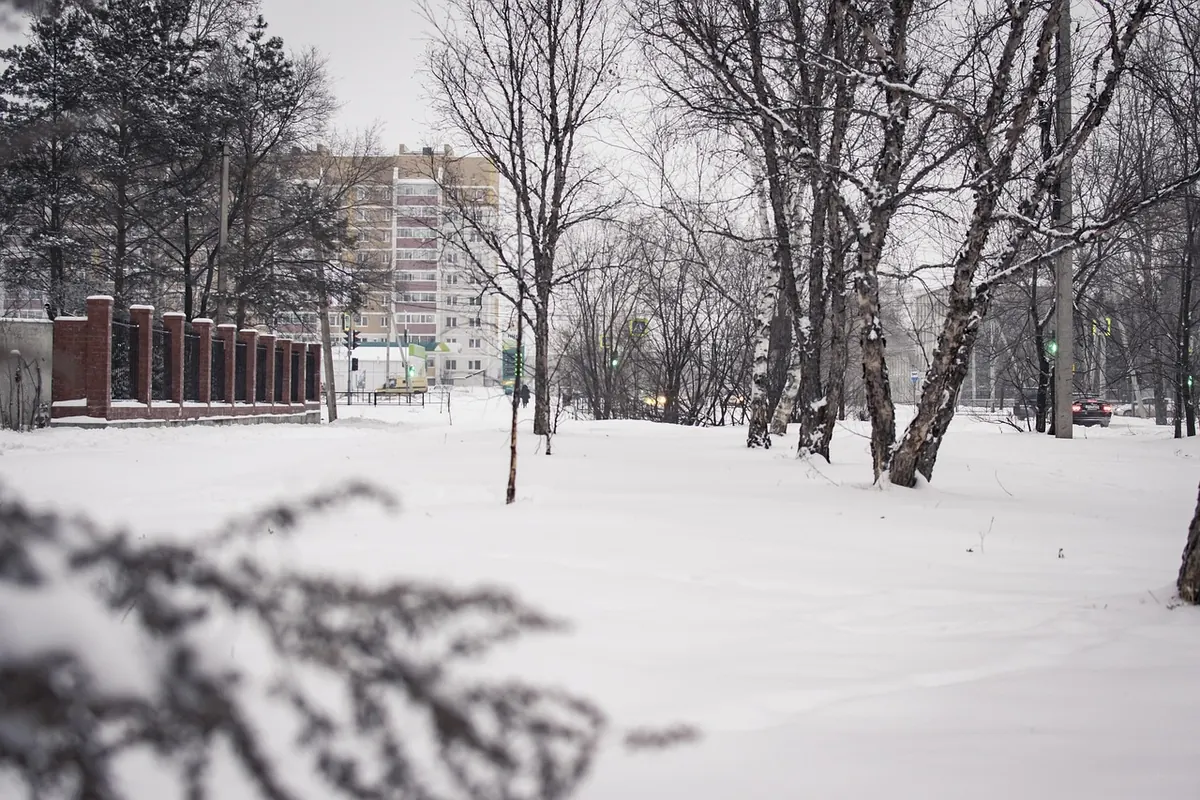
Birch is one of the most useful trees in urban design. Its bark catches low winter light, its leaves move in the slightest breeze, and even a single specimen can make a courtyard feel larger and quieter. The trouble is that “birch” is not one tree. Silver birch, river birch, gray birch and the white-barked Himalayan forms have different root habits, water needs and mature sizes. In a street pit or a paved courtyard, those differences matter more than the elegance of the bark. Choose the cultivar for the site, not the other way round. In practice, that means treating the bark as a reward for good siting rather than a reason to ignore soil volume, drainage and maintenance.
Start with the Site, Not the Bark
Before comparing cultivars, walk the site and answer a few blunt questions. Birch roots are shallow and wide, so soil volume matters as much as soil type. A tree that looks fine in a nursery pot can struggle in a compressed strip between pavement and a wall. Courtyards are often sheltered but rain-shadowed; streets are exposed to salt, reflected heat and vehicle damage. Ask:
- How much uncompacted soil is available, and can the planting pit be enlarged?
- Where does water go after rain, and who will water the tree in a dry spell?
- Is the spot exposed to reflected heat from walls or paving, or to salt from roads and steps?
- What is the mature canopy spread, and what clearance is needed above people, cars and windows?
- Who will prune, water and remove leaves, and with what equipment?
- Are there drains, cables or services close enough to limit root space or future digging?
Honest answers often rule out the largest white-barked birches before they are even priced. A courtyard with four square metres of soil and no irrigation is not the place for a tree that wants a cool, deep root run. A street pit barely wider than the trunk is also a poor bet, however tidy it looks on planting day. A useful design move is to enlarge the pit, connect it to a planting strip, or choose a smaller species. In tight sites, a generous shared planting bed may allow a birch where individual pits would fail.
Compact Choices for Courtyards
Courtyards reward restraint. A multi-stem birch can be beautiful, but multi-stem plants need more root space and usually more water. For small spaces, look for cultivars that stay compact without constant pruning. Also consider whether the courtyard is a sitting space: birch leaves and twigs are small, but they still reach gutters, drains and paving joints. Place the tree where leaf drop is easy to manage, not where it will block a doorway or stain a pale terrace.
Betula nigra ‘Little King’ (also sold as ‘Fox Valley’)
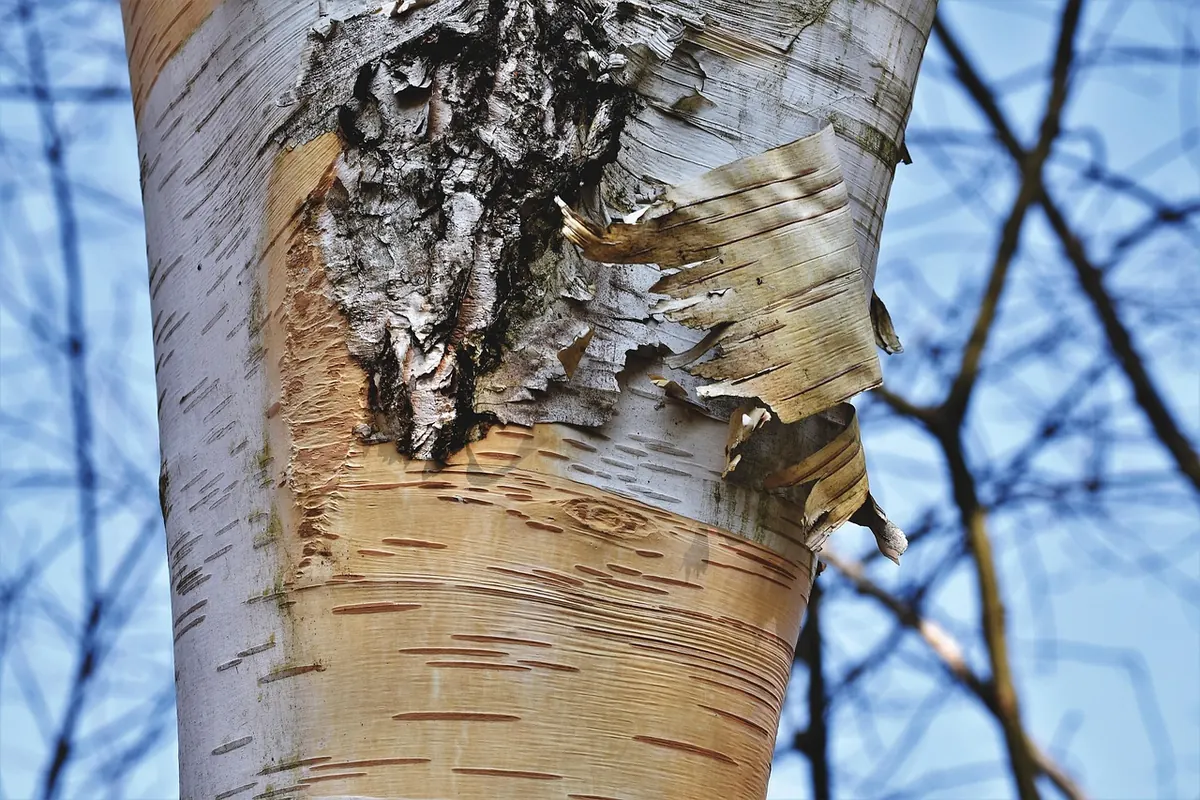
Often described as a dwarf river birch, it forms a dense, rounded tree, typically around 3–4m in good conditions. It tolerates wet soil better than most birches and can cope with clay, though it still needs water during drought. The bark exfoliates in curling strips, giving winter interest without the tree outgrowing a small courtyard. Maintenance is modest: remove dead wood, keep mulch off the trunk, and resist the urge to shear it into a ball. It is a good choice where the courtyard drains slowly or where irrigation is reliable but the soil is not especially rich.
Betula pendula ‘Trost’s Dwarf’
Slow-growing, dense and usually no more than 2–3m, this selection keeps the fine foliage and slender silhouette of silver birch without the size. It is not a tree for hot, dry, paved pits. Give it moist but drained soil and a reliable irrigation plan. If it is planted beside a path, light shaping may be needed to keep a clear stem, but heavy pruning ruins its natural habit. In a sheltered courtyard, it can be a useful focal point in a raised bed, provided the bed is large enough to hold moisture and allow roots to spread.
Betula populifolia ‘Whitespire’
Gray birch is a useful option for leaner, drier street pits where white bark is wanted and soil is poor. ‘Whitespire’ is a named selection, often reaching 8–12m, so it is a street or verge tree rather than a courtyard tree. It is relatively tolerant of tough conditions, though it is not long-lived and can be brittle in wind or ice. Place it where falling twigs will not be a nuisance over parking or narrow walkways. It is also worth checking the provenance of the plants, as bark quality and habit can vary between batches.
For courtyard use, all three need a clear maintenance plan. Compact does not mean self-sufficient; a dwarf birch in a paved space still needs water, mulch and occasional deadwood removal. If the courtyard is irrigated automatically, check that the emitter is actually reaching the root ball rather than merely wetting the paving.
Mid-Sized and Larger Birches for Streets
Where there is real soil volume and room for a canopy, the white-barked Himalayan birch and its selections are hard to beat. Betula utilis var. jacquemontii is the familiar choice, with selections such as ‘Jermyns’ and ‘Grayswood Ghost’ valued for clean bark. These are typically 10–18m trees. They need moist but drained soil, dislike compaction and drought, and are not suited to narrow pits. Use them as specimens in wide verges, park edges or generous courtyards with irrigation. Named clones are worth specifying where bark quality matters, because seedling-grown trees can vary considerably.
Betula nigra ‘Heritage’ is a larger river birch for wet sites with space. It tolerates wetter ground and clay better than silver birch, and its peeling bark is handsome in winter. It is not a small street tree; give it room and a reliable water source. River birch is generally less troubled by bronze birch borer than silver and paper birch, but stressed trees of any birch are vulnerable. In a courtyard, ‘Heritage’ needs a serious soil volume and should not be squeezed into a narrow strip beside a wall.
The straight species Betula pendula and Betula papyrifera are beautiful trees, but they often struggle in hot, dry, compacted urban sites. They are better in parks, gardens and moist open ground. If they are used on streets, give them irrigation, root space and a maintenance plan, and expect more attention than the tougher compact selections. Their bark is spectacular, but it is not a substitute for adequate growing conditions.
Soil, Water and Salt: The Make-or-Break Details
Most birches prefer a moist but well-drained soil. River birch tolerates wetter ground; gray birch tolerates leaner, drier ground; white-barked Himalayan and paper birches are less forgiving of compacted, dry sites. No birch is a true salt-tolerant street tree, and de-icing runoff will shorten its life. Plant away from the kerb where brine collects, or choose another genus where salt is unavoidable. Reflected heat from paving and walls can be just as damaging as drought, especially in courtyards where roots are already restricted.
Practical steps matter more than cultivar labels:
- Break up compaction over a wide area, not just the planting hole.
- Incorporate compost and mulch, but keep mulch clear of the trunk.
- Plan irrigation for establishment and dry spells; drip or soaker hose is better than frequent light sprinkling.
- Protect the trunk from mowers and string trimmers.
- Avoid planting in a pit that collects standing water unless you are using river birch.
- Check drainage before planting, and install a temporary watering collar or irrigation ring where maintenance access is difficult.
Placement, Staking and Winter Interest
Placement deserves more thought than many planting plans allow. Birch looks best when its trunk is seen against a darker background or against evergreen planting, and when the canopy has room to move. In courtyards, set it off a wall by at least a metre or two so the bark and canopy can be read from inside. In streets, keep the clear stem high enough over footways and low enough to preserve the natural line. Avoid spotlighting the trunk too aggressively; simple uplighting or ambient light is enough.
Staking should be minimal and temporary. Bare-root and smaller container trees usually establish better without rigid support, provided they are not in a windy funnel. If stakes are needed, use two or three and tie loosely with flexible ties, checking regularly for rubbing. Remove supports after the first or second growing season. A birch that is tied tight for years develops a stiff trunk and a weak root collar. Winter interest also depends on clean trunks: keep grass and shrubs clear, and do not pile mulch against the bark.
A Shortlist by Situation
- Small sheltered courtyard, reliable watering: Betula pendula ‘Trost’s Dwarf’ or Betula nigra ‘Little King’.
- Larger courtyard or enclosed garden with room to grow: Betula utilis var. jacquemontii ‘Jermyns’ as a specimen, with irrigation and generous soil.
- Wet or clay-heavy site with space: Betula nigra ‘Heritage’.
- Poor, lean street verge where white bark is wanted: Betula populifolia ‘Whitespire’, with realistic expectations about lifespan and brittle wood.
- Hot, dry, salt-affected kerbside: choose another genus; no birch is a reliable salt-tolerant street tree.
This shortlist is deliberately conservative. The point is not to exclude beautiful trees but to match them to the conditions that keep them healthy. A birch that is well sited needs less pruning, less watering and less replacement.
Maintenance: Quiet Trees Need Good Habits
Birch is not a high-pruning tree. In fact, heavy pruning is one of the quickest ways to spoil its shape. If pruning is needed, do it in late summer or early autumn, when sap flow is less active; avoid late winter and early spring, when birch bleeds freely. Remove dead, damaged or crossing branches only, and keep the natural silhouette. A compact cultivar should not be sheared into a lollipop; that destroys the airy habit that makes birch worth planting.
Watering is the other quiet habit. Establishment irrigation should be deep and occasional rather than light and frequent. In dry spells, a slow soak once a week is usually better than a daily sprinkle, and it encourages roots to go deeper. Keep an eye on leaf colour, early leaf drop and dieback; these are often signs of drought stress or compaction rather than pests. Bronze birch borer is a serious risk for stressed silver and paper birches, especially in hot, dry sites. River birch is generally less troubled, but no birch is immune when roots are restricted.
Leaf litter and twig drop are part of the deal. In courtyards, choose a position where fallen leaves can be swept into a border rather than a drain. In streets, avoid planting directly over gullies or narrow slots where debris will block drainage. If the site demands a spotless surface, a birch may be the wrong tree, however beautiful it looks in the catalogue.
A birch in the city should be chosen for the space it will occupy in ten years, not for the bark it shows on planting day.
Get the site, soil volume and water plan right, and birch can be among the most rewarding trees in the urban landscape. Get them wrong, and the same tree will become a catalogue of problems: dieback, borers, root conflict, blocked drains and expensive replacement. The cultivars above are not interchangeable. They are tools for different conditions, and the best choice is the one that fits the place with the least fuss.
Photo: lenskaya_jz / Pixabay