Spring Sap and Birch Water: A Beginner's Guide to Responsible Tapping
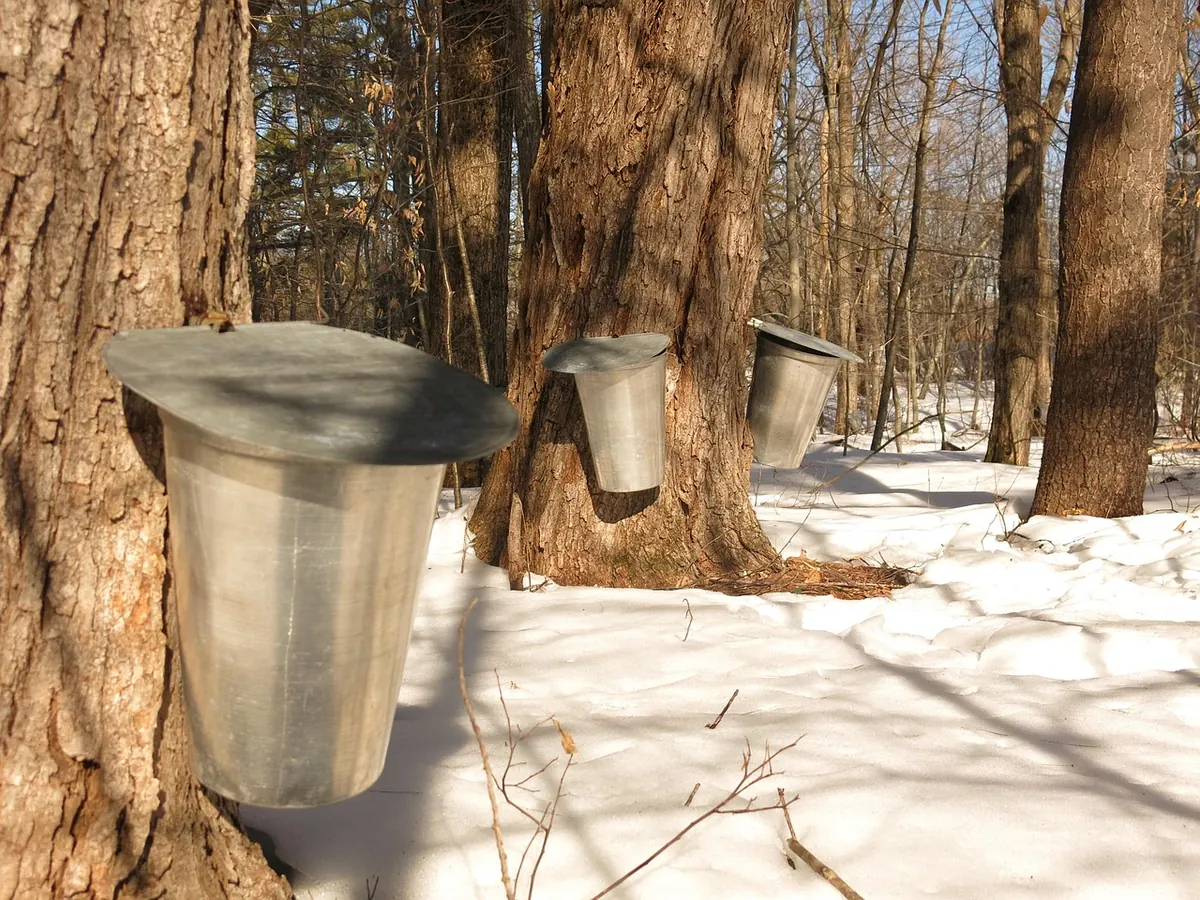
The first mild week of late winter changes the woods. Snow pulls back from the south side of the trunks, the light comes through the bare crowns at a different angle, and if you stand close to a mature birch you may catch a faint tick and drip. That is the sap moving: water lifted from the soil, carrying a little sugar and minerals up toward swelling buds. For two or three weeks, sometimes less, birch water is there for the taking. It is also remarkably easy to take badly. The difference between a good harvest and a wound is mostly patience, a clean drill bit and the willingness to stop early.
Reading the Season
Birch sap runs on a temperature swing. Cold nights and mild days are what get it moving, because the pressure inside the trunk shifts as the wood warms and cools. A stretch of clear, sunny afternoons after frosty mornings is the classic window. In much of Europe that lands somewhere between late February and April, earlier in mild coastal areas and later in the mountains or the north.
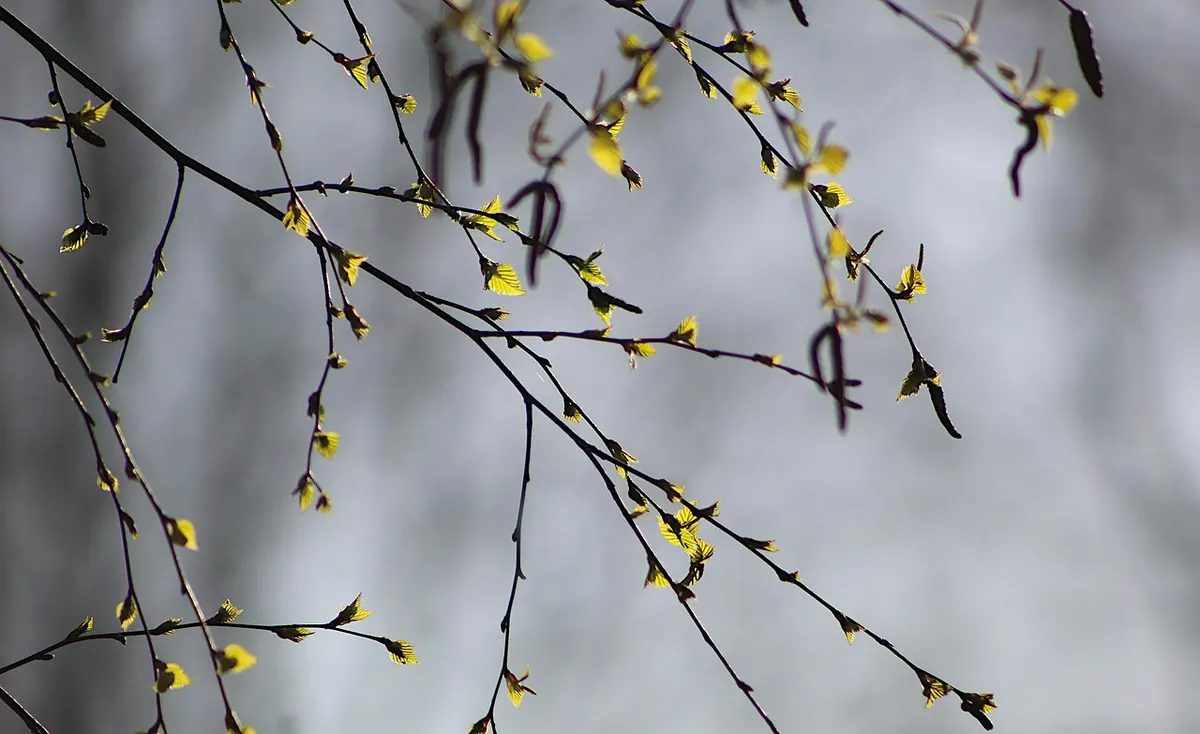
Watch the tree rather than the calendar. Buds that are still tight and brown mean you are in time. Once buds break and the first green shows, the season is over for practical purposes: the sap turns bitter, the flow slows, and the tree needs everything it has for leaves. Birds help as indicators too. Woodpeckers often ring a trunk in neat rows of small holes to drink from the same flow, and a birch with fresh sap wells is a birch that is running.
The Kit, Kept Simple
You do not need much, and none of it needs to be expensive. What matters is that everything is clean and that the sap never sits in the sun.
- A drill with a sharp bit, around 7 to 9 mm for most garden jobs. A dull bit tears bark; a sharp one cuts.
- A spile or a length of food-grade tubing, plus a clean container with a lid. A wide-mouth jug is easier to empty than a bottle.
- A small knife for tidying the bark, and a cloth for wiping the hole.
- Something to write with. Note the date, the tree and how much you took. You will not remember next spring.
- A plan for the sap itself, decided before you drill. More on that below.
Choosing the Right Tree
Look for a healthy birch with a full crown and no obvious scars, cankers or dead limbs. Size matters more than beauty. A trunk roughly the width of a dinner plate at chest height is a reasonable minimum; younger, thinner trees should be left alone entirely. Avoid trees beside busy roads, where salt and spray land on the bark, and avoid field edges that are routinely treated. Deep, undisturbed soil and a good view of the sky are the signs you want.
When you have your tree, the drill goes in like this:
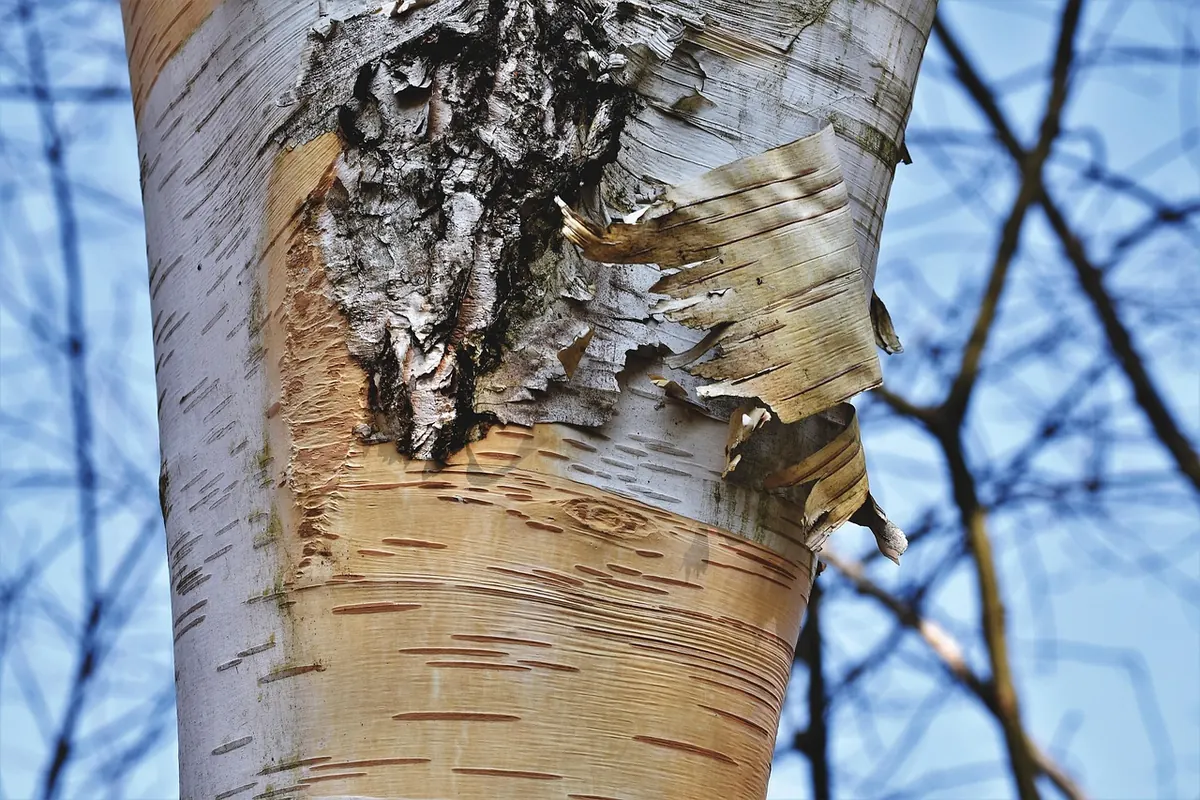
- Choose a clear patch of bark on the south or southwest side, about 20 to 30 cm above the ground and below the lowest heavy branch.
- Drill at a slight upward angle, just through the bark into the pale sapwood. That is usually a few centimetres, depending on bark thickness. Stop when the bit meets less resistance.
- Withdraw the bit, let the chips fall, and wipe the opening clean so nothing sour sits in the hole.
- Tap the spile in gently, or push the tubing in, and seal around it so rain and insects stay out and sap runs into the container rather than down the trunk.
- Cap the container and check it at least once a day.
One tap per tree. Not two, not one on each side. And never reopen an old hole: if you tap the same tree in a later year, move a hand's width around the trunk so the previous wound has fully closed.
Taking a Fair Share
A good tap on a good day can give several litres, which is exactly why restraint matters. The sap is the tree's own supply, and a birch that loses too much of it opens the season weaker, with less to put into leaves and new wood. Take the overflow, not the reserve: empty your container, take what you need for a week or two of drinking, and then stop.
Beyond volume, three habits protect the tree. Rotate, so a birch is tapped at most every other year and preferably less often. Stop early, while the buds are still closed, rather than chasing the last run. And leave a few trees completely alone in any patch of woodland, since sap wells feed insects and birds long after you have packed up.
On plugging, people disagree. Some tappers push a whittled wooden dowel into the hole; others leave it open to dry and seal naturally. Either can work if the cut is clean and the bark was not torn. What does not work is hammering in a plug that splits the trunk, or drilling in a way that tears a strip of bark downward.
Permission, Place and Other People's Trees
Sap rights are local, and they are not always obvious. On your own land you can make your own rules. On someone else's land, ask, and expect the answer to be about their plans for the wood rather than about you. On public land the rules vary widely, and in many places tapping in parks, reserves and protected areas is restricted or simply not allowed; commercial harvesting usually needs a permit. Check with the landowner or the local forestry authority before you drill, and do not rely on what a forum said five years ago.
From Tree to Fridge
Birch sap is a fresh, sugary, near-neutral liquid, which makes it a fine home for microbes. Treat it like milk. Filter out any debris through a clean cloth, refrigerate straight away, and use it within a few days. If the volume is more than you can drink, freeze it in portions, or reduce it gently in a wide pan. It takes a great deal of sap to make a little syrup, so plan a long afternoon and good ventilation rather than expecting a quick result.
As a drink, keep expectations honest. Birch water is mostly water, with small amounts of sugars, organic acids and minerals, and its reputation as a spring tonic runs well ahead of anything firmly established. Drink it because you like the clean, faintly sweet taste and because you harvested it yourself. If you have a birch pollen allergy, start with a small glass and see how you react. And if you are managing a health condition or taking medication, particularly anything affecting the kidneys, ask a clinician before making it a daily habit.
A Short Checklist Before You Drill
Buds still closed, nights still frosty, and a tree with a trunk wide enough to wrap your hands around twice. A sharp bit, a clean container, a lid, and a fridge with room in it. Permission if the land is not yours. One hole, angled up, sealed, checked daily. A note in your pocket with the date. And a stopping point decided in advance, so the season ends while the tree is still strong and the sap in your glass still tastes of cold mornings.
Photo: Johan1127 / Pixabay