Drying and Storing Birch Firewood: A Season-by-Season Moisture Guide
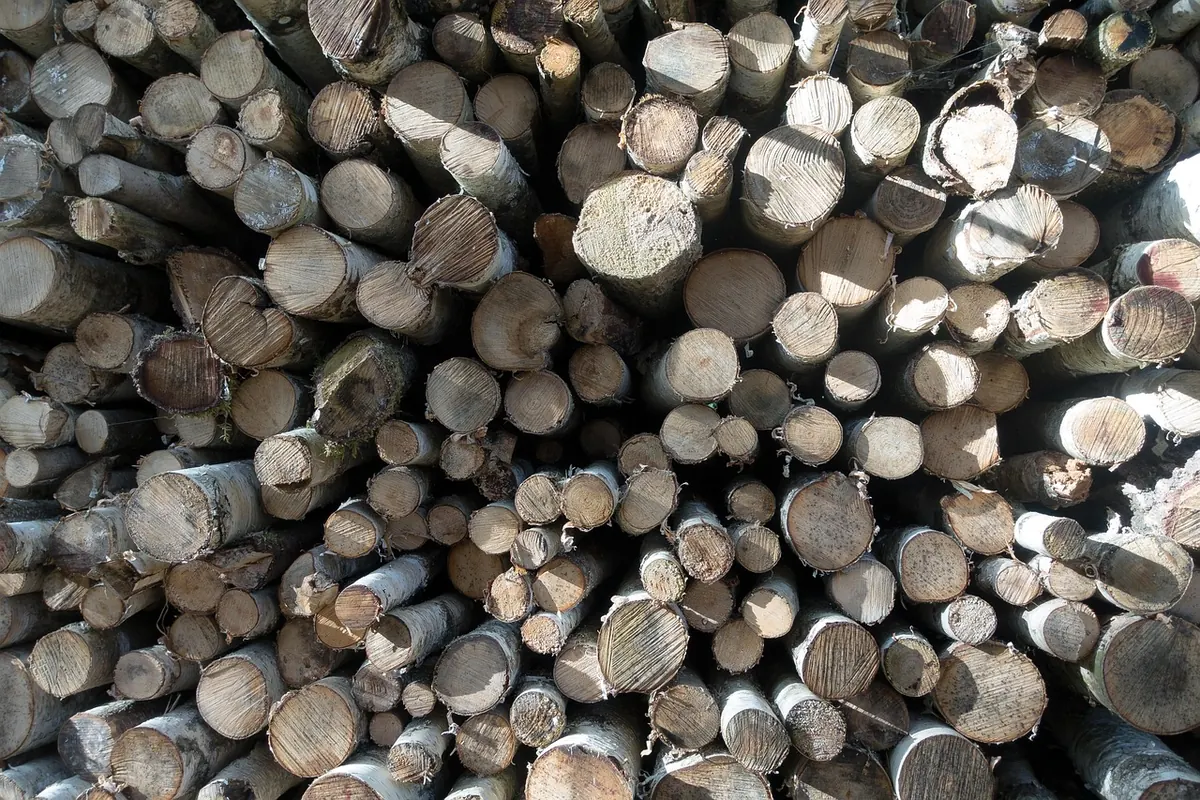
Birch is generous firewood. It catches quickly, burns bright and gives off that faint sweet, almost tea-like smell that makes a winter evening feel deliberate. It is also a wood that punishes laziness. Split a birch log in March, stack it where the wind can reach it, and by the first hard frost you will have fuel that lights without a fight. Leave that same log whole, on the ground, in the shade, and by September it will be soft at the core and hosting things you would rather keep outdoors.
The difference is water. Freshly felled birch can be more than half water by weight, and firewood wants to be down around 15 to 20 percent before it behaves properly. What follows is a working year for birch: when to cut it, how to split it so the bark stops working against you, and how to tell genuine dryness from wishful thinking.
Cut in Late Winter, Split Before the Leaves Come
Birch is at its driest in the dormant months. A tree felled in late winter, before the sap starts moving and long before bud-break, holds less water and fewer sugars in the wood, which means less for mould and fungi to feed on. That single choice — winter cutting — buys you weeks of drying time later.
Buck the trunk into stove lengths as soon as it is down, adding a couple of centimetres to whatever your stove takes so you are not fighting a log that only fits at an angle. Then get it off the ground. Birch in the round is not patient: the bark holds moisture against the wood, and a pile of rounds left on grass through a mild spring will start to grow a grey-green fuzz and go spongy at the ends. Split within a few weeks if you can, the same week if the weather is warm and damp.
If you are buying birch rather than cutting it, ask when it was felled. Wood cut in June and left in the round until November is already a season behind, no matter what the seller's stack looks like.
Splitting: Get the Bark Open
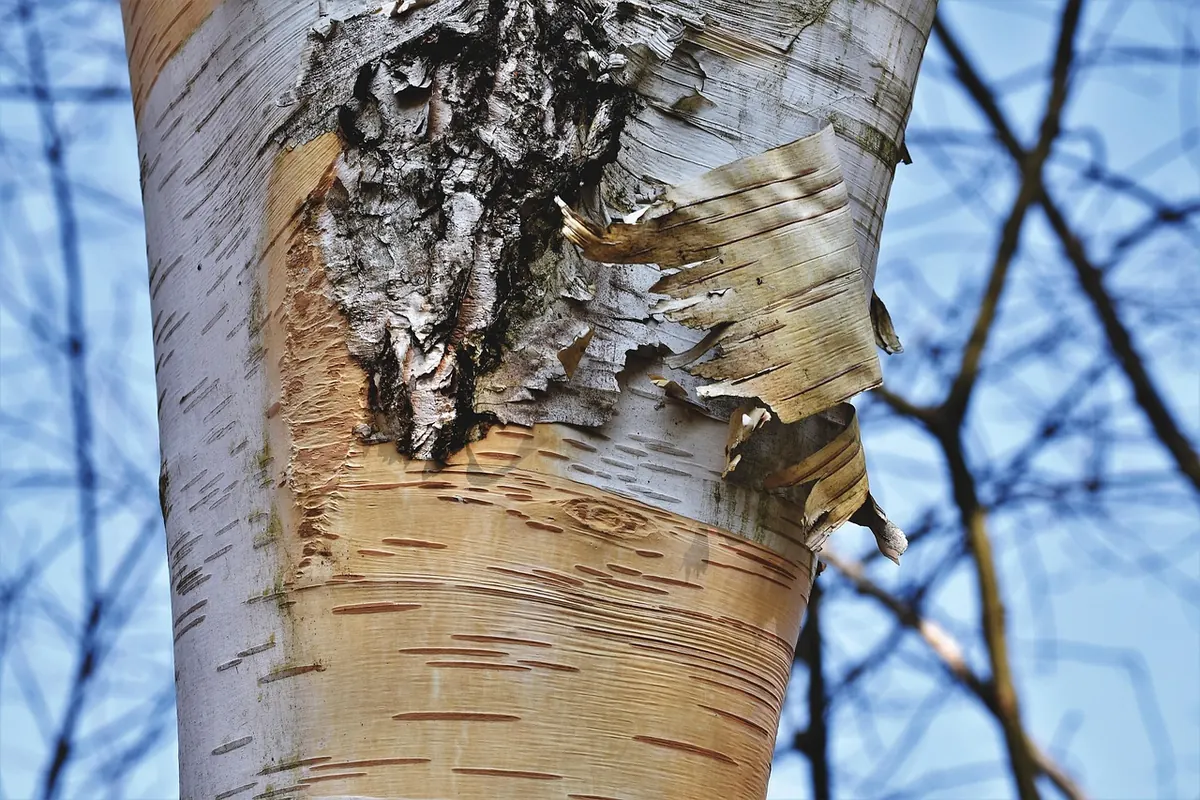
Birch bark is a small engineering miracle. It is waterproof, which is why it has been used for canoes, buckets and roofing for centuries — and it is exactly why a whole birch log dries so slowly. The bark sheds rain beautifully and traps the wood's own moisture just as effectively.
So split everything. Halve logs down the middle, and quarter anything wider than your hand. Birch splits obligingly when it is fresh, and even more obligingly when it is frozen, so a cold snap is a good excuse to finish the pile. Work from the end with a sharp axe or a splitting maul, and if a piece is stubborn around a knot, set it aside and knock a wedge into it later rather than hacking at it.
Keep the bark you knock off. Torn strips of birch bark are one of the best firelighters you can make at home — they will catch from a spark even when slightly damp, which is more than can be said for most of what comes in plastic bags.
Stack It So the Wind Can Work
Split wood dries from the exposed faces, and it dries far faster than round wood because there is so much more face to give water up. Your job is to put those faces in moving air and keep the rain off the top only.
- Pick a spot in sun and wind. The end of a garden that catches the prevailing breeze beats a sheltered corner every time. Keep the stack away from walls, hedges and overhanging trees.
- Get it off the ground. Pallets, rails or a bed of sacrificial old rounds. Ground contact is how birch rots from the bottom up.
- One row deep if you have the space. Two rows with a hand's width of air between them is a workable compromise; a solid block of wood is a compost heap with ambitions.
- Leave gaps. A finger's width between splits is plenty. Do not wedge pieces tight to make the stack look tidy.
- Criss-cross the ends. Turn the pieces at each end of the row so the stack holds itself without leaning on anything.
- Cover the top, not the sides. A sheet of corrugated tin, weighted plywood or a tarp pulled over the top only, with a good overhang. Sides wrapped in plastic stop the drying dead.
Whether the bark faces up or down matters far less than people argue about. With a proper top cover and open sides, a birch stack will dry either way.
Summer: The Long Dry
From May to September, the stack does the work and you mostly stay out of its way. Cut the grass around the base, keep the top cover on, and check after a storm that nothing has collapsed into a wall of leaning splits.
Summer rain is not the enemy. It wets the outside of the wood, and a warm breezy day takes that surface water straight back off. The enemy is trapped moisture: a tarp hanging down over the sides, a stack pushed tight against a shed, or a heap of splits left on the ground "for now" in June and found again in October.
If you have room, restack once in midsummer. It is an hour of dull work, and it moves the damp pieces from the middle of the pile out to the edges where the air actually moves. Birch split by April can be genuinely dry by October if the splits are small; thicker pieces and dense, knotty sections deserve a full year.
Autumn and Winter: Cover, Test, Burn
Once the dew gets heavy and the leaves start falling, keep the top cover in place and clear leaves out of the stack. Do not rush the wood into a closed shed or garage in September. Cold outdoor air with movement in it is drier than the still, damp air inside an unheated shed, and birch that goes into a sealed space too early simply stops drying and starts sulking.
When the wood is genuinely dry, move what you need under cover, or keep it outside and bring in three or four days' worth at a time. Brush snow off the top of the stack rather than letting it pile up and melt into the splits.
Testing moisture properly
A moisture meter is the cheapest argument-settler in woodworking. Use it well and it will not lie to you. Bring a split indoors overnight so it comes up to room temperature — a freezing log reads optimistically low. Then split it and push the prongs into the freshly exposed inner face, along the grain. Not the weathered outside, not the end grain. Aim for below 20 percent; 15 to 17 is a lovely number to see.
Testing without a meter
- Sound. Knock two splits together. Dry birch clacks and rings; wet birch thuds like a dull drum.
- Weight. Dry birch feels light for its size. Compare an unknown split with one you know is seasoned.
- Looks. Radial cracks running out from the ends, flaking bark and a pale, weathered surface all point the right way.
- Feel. Dry wood feels warm to the palm. Wet wood steals heat from your hand and feels cold and slightly damp.
- The burn test. Two splits in a hot stove will tell you the truth in five minutes. Hissing, bubbling at the ends and blackened smouldering mean too wet; a bright flame and little smoke mean ready.
Wet birch does not just burn badly — it sends more smoke and more creosote up the flue. If you are unsure about your stove or chimney, have a qualified sweep look at it before the season starts.
Using Birch Well
Birch burns hot and fast, which makes it excellent for the shoulder seasons, for getting a cold stove going and for a bright evening fire. For an overnight burn, mix it with something denser. And do not hoard it: birch does not improve with years in the stack the way oak does. Two summers is plenty, and a humid shed beyond that will start to soften it. Keep the oldest wood at the front of the stack and burn it first.
The Birch Firewood Year, in Short
Cut in late winter while the sap is down, buck and split within weeks, and stack off the ground in sun and wind with the top covered and the sides open. Let summer do the work, restack once if you can be bothered, and start testing splits in early autumn rather than guessing. Bring wood in a few days ahead of burning, keep the flue clean, and remember that birch rewards a little attention in March with a very good fire in December.
Photo: stux / Pixabay