Planting Silver Birch in Small Gardens: Spacing, Soil, and Aftercare Checklist
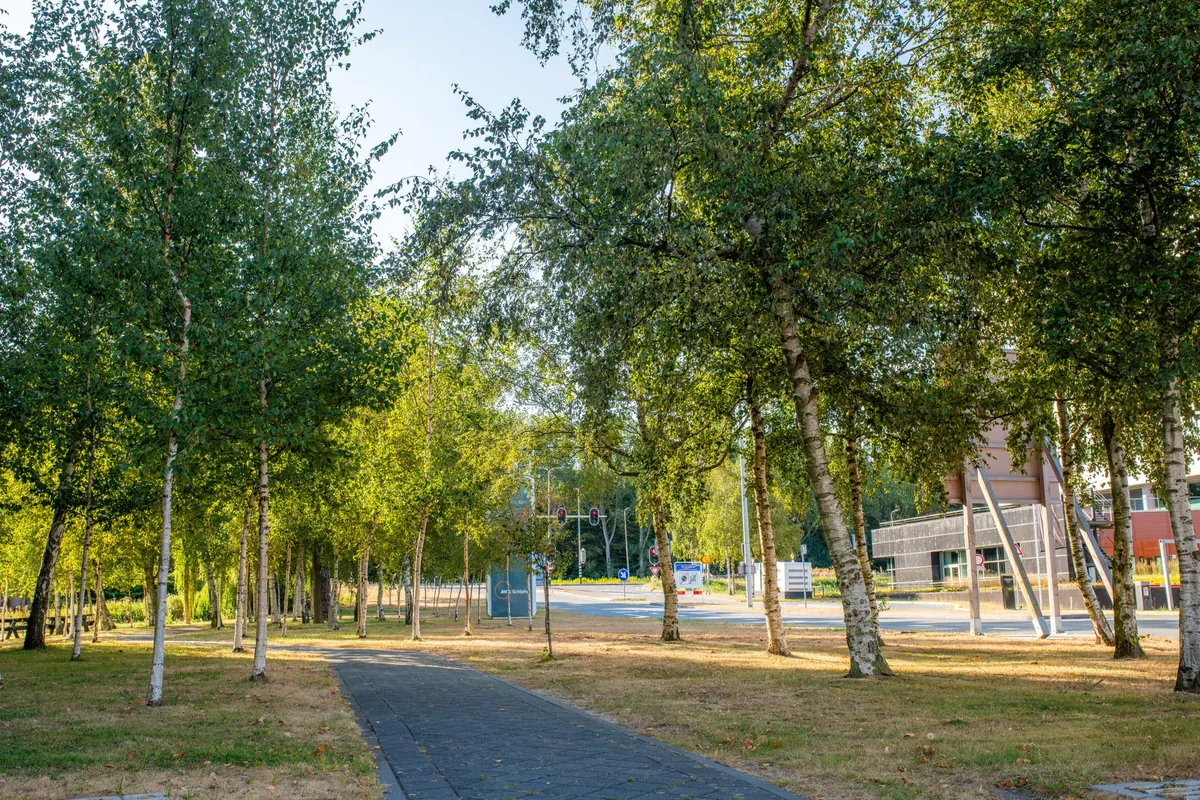
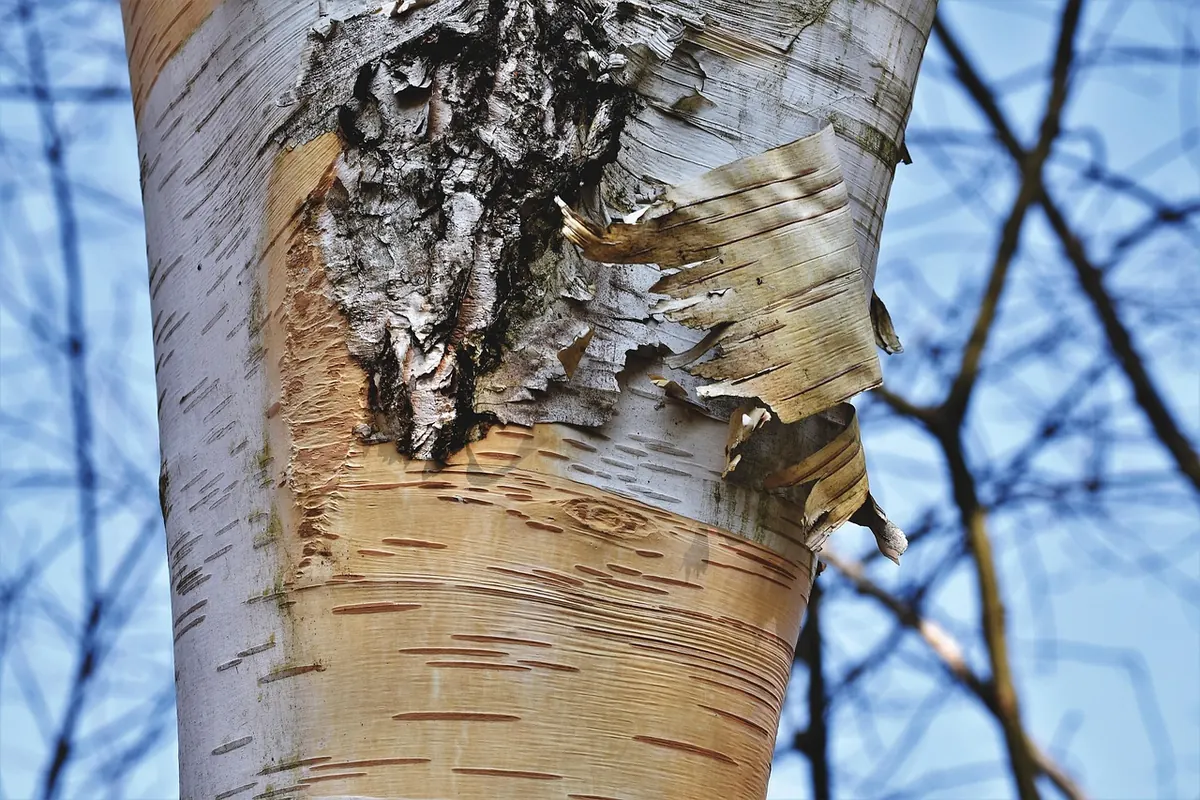
A silver birch earns its place in a small garden. The white bark picks up low winter light, the canopy is airy enough to let plants grow beneath it, and even a light breeze sets the whole thing moving. But birch is a fast, shallow-rooted tree, and the choices you make in the first hour — where it goes, how deep it sits, how far it is from the patio — matter more than anything you do afterwards. Get those right and the tree largely looks after itself. Get them wrong and you will spend years apologising to a leaking drain or a lopsided trunk.
This is the checklist I would hand to anyone planting one in a courtyard, a narrow side return, or a garden that has to fit a shed, a washing line and a tree into the same eight metres.
Choose the Site Before You Choose the Tree
Start with the ground, not the nursery catalogue. Silver birch wants sun — a good six hours or more in summer — and it will tolerate light shade, though the canopy thins out and the bark loses some of its glow. What it will not tolerate is sitting in water. If a hole filled with water in February is still full the next morning, that spot is wrong for a birch, full stop.
Planting distance is the other decision people regret. As a working rule, keep a medium birch at least three to four metres from house walls, and further from anything you cannot afford to lift: drains, inspection covers, a brick patio, a neighbour's driveway. Birch roots run wide and shallow rather than plunging down, which means they lift paving and dry out the soil under lawns rather than cracking foundations. That is reassuring for the building and annoying for the hard landscaping.
Two more things to check before you dig:
- Wind. Birch wood is light and branches snap in exposed, funnel-like gardens. A sheltered spot, or a position where the prevailing wind hits a fence first, saves you a lot of winter clearing up.
- What sits underneath. Cars parked under a birch in summer come back sticky with aphid honeydew. If the tree will overhang a parking space or a garden bench, expect a few weeks of it each June.
Spacing Numbers That Work in a Small Plot
If you are planting more than one birch, give them room to show their shape separately. Two Betula pendula planted three metres apart will merge into one shapeless mass within a few years. Space full-sized silver birches five to six metres apart, and narrow or weeping cultivars two to three metres apart if you genuinely want a pair.
Cultivars worth considering for tight spaces
The Himalayan birch, Betula utilis var. jacquemontii, is the one most people picture: brilliant white bark, slightly slower and more contained than our native silver birch, and it holds its shape well in a small garden. Betula pendula 'Fastigiata' grows as a narrow column and suits a corner where width is the problem. 'Youngii' is a weeping form that needs staking to head height and stays small enough for a lawn the size of a parking bay. 'Purpurea' brings dark foliage if you want contrast rather than white bark as the main event.
Multi-stemmed specimens are beautiful and photographs make them look compact. In reality, a multi-stem clump spreads wider at the base than a single trunk and casts a broader shadow. In a garden under about forty square metres, a single-stem tree is usually the kinder choice.
Soil Preparation and Planting
Birch is not fussy about richness; it is fussy about drainage and compaction. It grows well in poor, sandy or stony ground and tolerates slightly acidic to neutral soil. Heavy clay that has been walked over for a decade is the harder case — improve it by forking the base and sides of the planting area over a wide circle rather than by tipping in a bucket of compost.
Dig the hole two to three times the width of the rootball but no deeper than it. Set the tree so the root flare — the point where trunk widens into roots — sits at or a whisker above soil level. Burying that flare is the single most common planting mistake and it kills trees slowly over several seasons.
Firm the soil in stages as you backfill, then water thoroughly to settle any air pockets. Stake only if the site is windy or the tree is tall and bare-rooted: use a short stake driven outside the rootball, tie with a soft adjustable tie, and remove both after two growing seasons. A tree that stays staked for five years develops a weak trunk that snaps when the support finally goes.
Watering Through the First Two Years
Newly planted birch needs help, and the help it wants is occasional and generous, not frequent and stingy. A light daily sprinkle encourages roots to stay near the surface, which is exactly the habit you are trying to avoid. Instead, give the tree a slow, deep soak once a week in dry weather — enough that the water reaches twenty or thirty centimetres down. A hose trickling at the base for twenty minutes does more than a watering can waved about.
Check before you water by pushing a finger into the soil at the edge of the canopy. Damp at knuckle depth means wait. Once the tree has been in the ground for two full summers, you can step back and water only during genuinely prolonged dry spells. Container-grown birches on a patio are a different matter and will need regular attention for as long as they stay in a pot.
Mulch and the First-Year Aftercare Checklist
Mulch is the cheapest insurance you can give a young birch. Spread a ring of bark, leafmould or composted woodchip five to eight centimetres deep over the rooting area, and keep it clear of the trunk by a hand's width. Mulch piled against bark holds moisture where you do not want it.
Work through this list in the first twelve months:
- Water deeply the day of planting and again three days later.
- Clear a grass-free circle sixty centimetres across around the trunk — grass competes hard with young roots.
- Apply the mulch ring, then top it up each spring.
- Check the tie every few months and loosen it as the trunk thickens.
- Remove the stake and tie after two growing seasons.
- Soak weekly in dry spells from April to September.
- Pull weeds by hand rather than hoeing near the trunk, which is easily grazed.
- Look at the leader — the topmost shoot — each spring and remove any competing shoot that tries to take over.
Pruning, Pests and What to Watch For
Birch bleeds heavily if pruned in late winter or early spring, so keep the secateurs away until late summer or early autumn. Even then, do as little as possible: remove dead, damaged or crossing branches and nothing more. Never cut back into old wood to reduce height, because birch does not regrow readily from stumps and the result is an ugly, stubby crown.
Aphids are the usual nuisance, and the honeydew they drop is more of a cosmetic problem than a threat. Birch is also relatively short-lived for a tree — think decades rather than centuries — which is worth knowing when you plan what will eventually replace it. A small garden benefits from planning that succession now.
A Realistic First-Year Timeline
Plant bare-root trees between late autumn and early spring, and container-grown trees at almost any time the soil is workable but not frozen or waterlogged. Expect little top growth in year one while the roots establish; the visible leap usually comes in year two. Water, mulch, check the tie, and leave it alone. If you get the spacing and the planting depth right at the start, the rest of the aftercare is a twenty-minute job once a year — and you get to spend the saved time sitting under it instead.
Photo: Oleksiy / Pexels